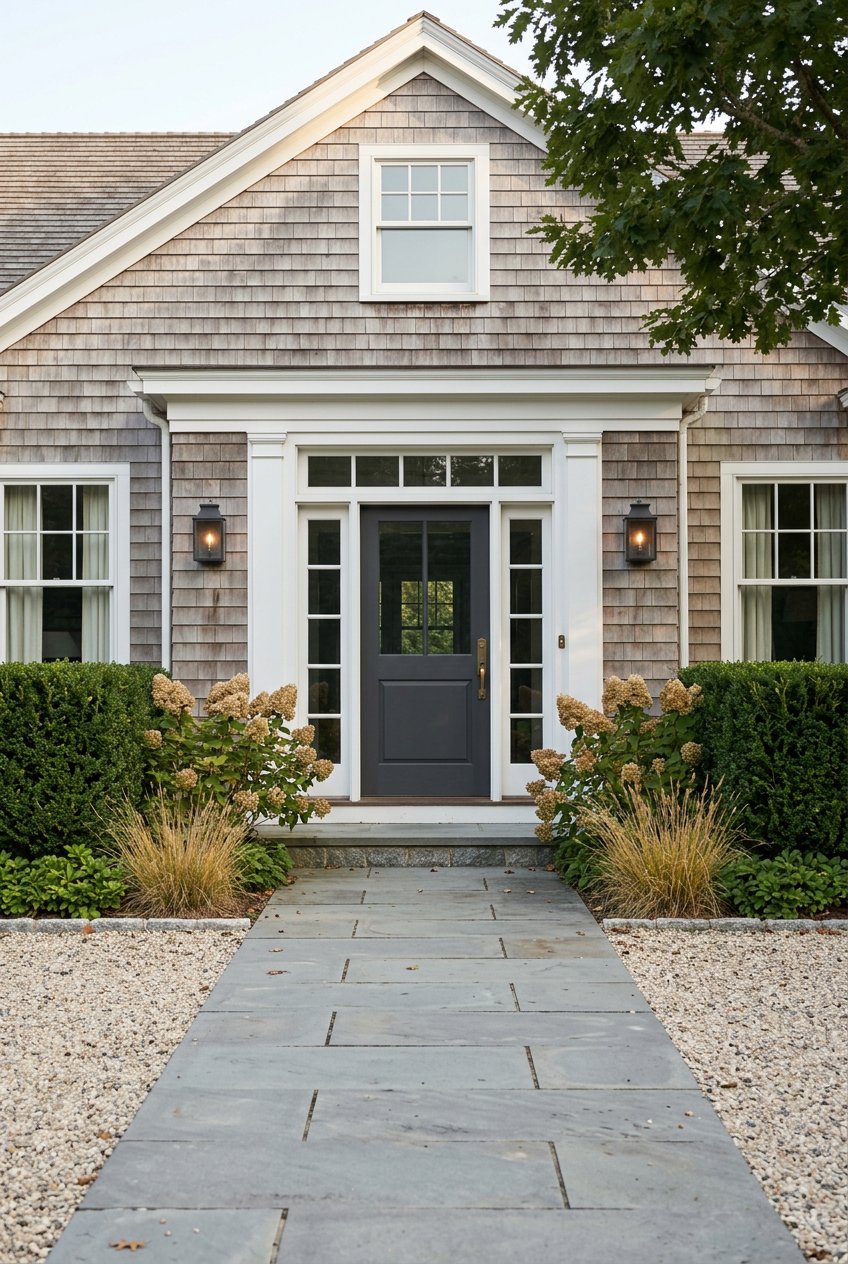
Owning a Hamptons home from New York City can feel both energizing and complex. You want the privacy, design, and summer rhythm without turning your weekends into admin. With a smart structure, a clear budget, and the right local help, you can enjoy your home and still make informed, strategic decisions. This guide walks you through ownership, financing, costs, rentals, management, insurance, and travel so you can operate with confidence. Let’s dive in.
Choose the right ownership structure
Personal name or revocable trust
If you plan to use the home primarily for yourself and want straightforward financing, taking title in your personal name is common. Many high‑net‑worth buyers also use a revocable grantor trust to simplify estate planning while keeping typical homeowner tax treatment. Mortgage interest rules and homeowner tax tests still look through to you as the grantor in many cases; review specifics with your attorney and CPA.
When an LLC makes sense
An LLC can provide privacy and liability separation, especially if the property is run as an investment. The tradeoff is financing friction. Lenders often prefer to lend to individuals for second homes; entity ownership can push you toward portfolio or commercial‑style loans with different terms. Review typical lender preferences before you decide by reading guidance on buying a house with an LLC.
Financing checks before you title
- Talk to your preferred lender early if you want standard second‑home loan terms in your personal name.
- If you need privacy but also want typical financing, ask about taking title personally or in a revocable grantor trust and using an LLC for other assets.
- If you expect to claim homeowner tax benefits on a future sale, confirm how your title choice could affect eligibility and timing with your CPA.
Budget the real carrying costs
Your non‑mortgage carrying costs are meaningful and vary by town, location, and exposure. Start with the actual bills for the specific parcel, then layer in risk‑based insurance and seasonal operations.
- Property taxes. These vary by town, county, and school district. Review the assessor roll and recent bills for the parcel. Town offices, like Southampton’s FAQ, publish payment schedules and contacts.
- Insurance. Coastal policies, flood insurance where required, and umbrella liability are key lines. Flood and wind deductibles and availability can shift with elevation and claims history. Get quotes early from both NFIP and private markets; see regional context from an East Hampton homeowners insurance overview.
- Utilities and seasonal services. Expect higher coastal maintenance: landscaping, pool and spa, security, winterizing, septic maintenance, and frequent exterior work.
- Maintenance reserve and capex. A common planning rule for high‑end seasonal homes is 1 to 3 percent of property value per year, higher for ocean‑exposed assets.
- Property management. Full‑service vacation managers in the Hamptons often charge in the mid‑teens to high‑twenties percent of gross rental revenue, depending on what is included. Review examples from Hamptons property management fee benchmarks.
A simple planning model
Use these broad ranges as a first pass for a $2.0M house; confirm with real quotes for your address:
- Property tax: roughly $20,000 to $80,000 per year.
- Insurance (home + flood + umbrella): $5,000 to $30,000 per year, based on exposure.
- Utilities, landscaping, pool, security: $12,000 to $40,000 per year.
- Maintenance reserve: 1 to 2 percent of value, or $20,000 to $40,000 per year.
- Property management (if rented): 15 to 30 percent of gross rental revenue.
Request the last three years of tax bills, current insurance quotes, and a maintenance estimate from a local contractor or property manager during due diligence.
Rent smart and stay compliant
IRS rules that shape your plan
Your personal use days versus rental days drive your federal tax treatment. The IRS explains how to classify the home, allocate expenses, and report income in Publication 527 on residential rental property. Track owner days and rental days precisely, including fair‑market‑rate rental periods and any time used by friends or family.
New York State and Suffolk County taxes
Short‑term rental taxes include New York State sales tax and county occupancy taxes. The State outlines registration and collection requirements in its short‑term rental guidance. Suffolk County administers an occupancy tax and has collection agreements with certain platforms, as noted in its announcement of an Airbnb remittance agreement. Confirm who collects and remits in your specific host contract.
Town and village permits
East Hampton, Southampton, Sag Harbor, and other South Fork jurisdictions have their own rental registrations, minimum stay rules, and advertising requirements. Enforcement is active, and fines can be significant. Review a current overview of Hamptons short‑term rental rules, then confirm the exact code and permit process with the town or village for your parcel.
Pick the right management model
Full‑service, hybrid, or DIY
- Full‑service vacation management. Turnkey operations, dynamic pricing, guest communications, and maintenance coordination. Expect roughly 15 to 30 percent of gross rental revenue in premium markets. See examples of Hamptons management services and fees.
- Hybrid or à la carte. You handle bookings or guest messaging while outsourcing turnovers and maintenance. Lower fees, more owner time.
- Software‑only. Tech tools and direct platform listings keep costs low. You or a local contact must handle on‑the‑ground issues. For fee models across the industry, see short‑term rental management fee comparisons.
How to interview managers
Ask for:
- A full fee schedule with what is included, sample owner statements, payment timing, and damage protection policy.
- Emergency response SLAs and vendor network depth across cleaning, HVAC, pool, electrical, and plumbing.
- Guest screening standards and deposit or damage insurance details.
- Distribution strategy across platforms and any brand partnerships that drive occupancy.
- Reporting cadence, owner portal access, and tax documentation support.
Insurance, flood, and resilience
Confirm your FEMA flood zone and elevation, then get quotes that reflect actual risk. If the home is in a Special Flood Hazard Area and your lender is federally regulated, flood insurance will be required. Explore both NFIP and private options, and consider an elevation certificate if status is unclear. Regional resources on flood and resilience are available through the Long Island Sound resilience portal. For coastal homes, review wind and hurricane deductibles, ordinance‑and‑law endorsements, and umbrella limits with your broker, using context from an East Hampton insurance overview.
NYC to Hamptons logistics that work
Helicopter or seaplane
For the fastest door‑to‑door travel, operators like BLADE typically fly Manhattan to Hamptons helipads or seaplane docks in about 35 to 40 minutes, mainly in season. Review practical comparisons in this guide to the best ways from NYC to the Hamptons.
LIRR and seasonal express trains
The LIRR Montauk Branch offers predictable timing and avoids road traffic. Seasonal express trains like the Cannonball shorten Friday trips but can sell out. Check seasonal timetables on MTA channels before peak weekends.
Premium motorcoach or driving
High‑end motorcoaches offer comfort and Wi‑Fi, but door‑to‑door time varies with traffic. Driving gives you gear flexibility but can be slow on Friday afternoons and Sunday returns. Plan departures outside peak windows if you need predictability.
A pre‑purchase and first‑season checklist
- Confirm local zoning and rental rules, registration, and inspection requirements with the town and village for the exact parcel. Start with a Hamptons regulatory overview, then call the building or land‑use office.
- Request the seller’s last three years of property tax bills and check the assessor for current assessments and pending changes, using town resources like Southampton’s FAQ page.
- Get insurance pre‑quotes for home, wind, and flood. If flood status is unclear, obtain or update an elevation certificate. Use context from regional insurance guidance.
- Discuss financing with lenders and confirm whether entity ownership affects your loan options and down payment.
- If you plan to rent, request operating statements, bookings calendars, and tax remittance records from the seller. Review your obligations under New York State’s short‑term rental guidance.
- Get two to three bids from local property managers that cover fees, services, turnover plans, and emergency response.
- Inspect septic and water systems, plus any waterfront structures. Confirm permit needs for docks, bulkheads, and shoreline improvements.
Work with an advisor who handles complexity
You want a quiet, polished experience that respects your time while protecting value. That means anticipating land‑use and permitting constraints, setting up the right ownership structure, getting the real numbers on carry and insurance, and choosing a rental and management plan that fits your goals. If you are weighing a Hamptons purchase, planning a first season, or repositioning an estate, schedule a confidential conversation with Marc Heskell to map a plan that fits your timeline and priorities.
FAQs
What is the best title structure for a Hamptons second home if I want financing and privacy?
- Many buyers use personal title or a revocable grantor trust for easier second‑home financing; an LLC can add privacy and liability separation but often complicates lending, so confirm lender requirements early using guidance like buying a house with an LLC.
Which taxes apply when I rent my Hamptons home for short stays?
- You may owe New York State sales tax and Suffolk County occupancy tax, and you must follow IRS rules for reporting rental income and allocating expenses; start with IRS Publication 527, the State’s short‑term rental guidance, and Suffolk’s Airbnb remittance announcement.
How much should I budget for insurance and maintenance in the Hamptons?
- Insurance and maintenance vary widely by exposure and home age; for planning, consider $5,000 to $30,000 for insurance and 1 to 3 percent of property value per year for maintenance, then refine with quotes using an East Hampton insurance overview.
Do I need a local permit to list my Hamptons home on Airbnb or VRBO?
- Most South Fork jurisdictions require rental registration, minimum stays, safety standards, and registry numbers on listings; start with this Hamptons rental rules overview and confirm the exact code with your town or village.
What is the fastest way to get from NYC to the Hamptons on a summer Friday?
- Helicopter or seaplane service typically offers the shortest door‑to‑door time, as outlined in this guide to the best ways from NYC to the Hamptons; the LIRR’s express options can also shorten travel compared with driving during peak traffic.