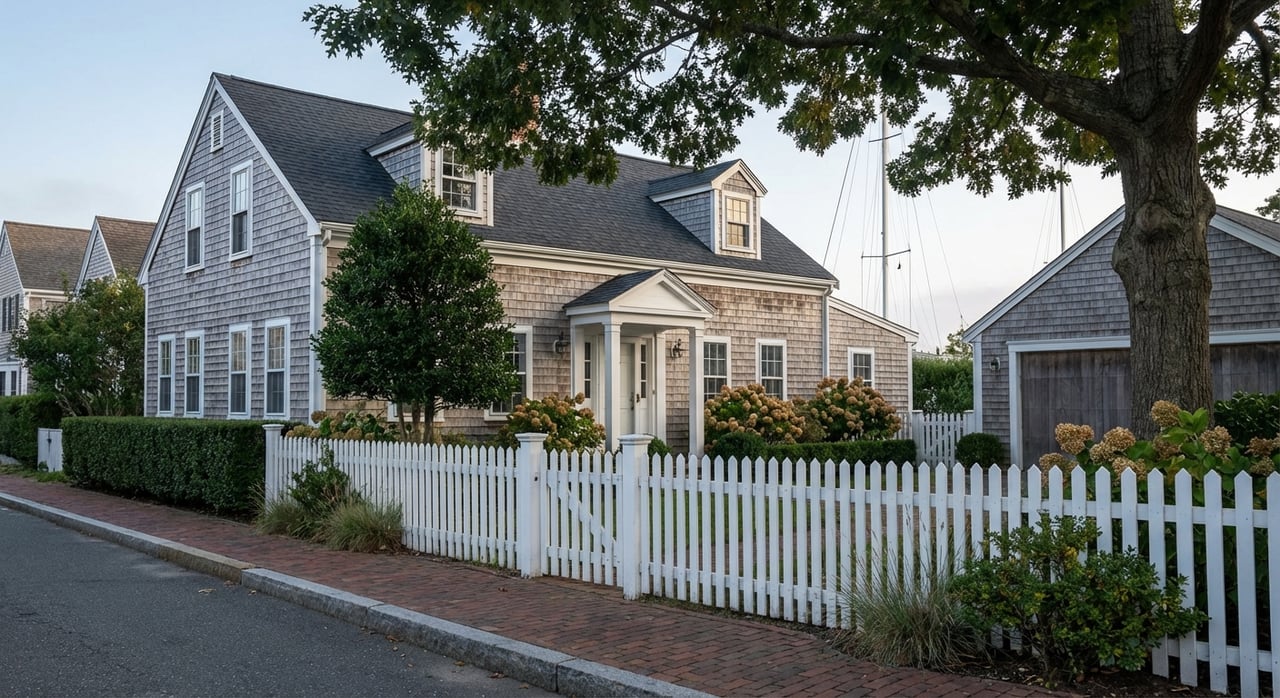
Looking for a Hamptons village where architecture, culture, and harbor life come together in a compact, walkable setting? If you value preserved streetscapes, thoughtful design, and year‑round arts, Sag Harbor deserves a close look. In this guide, you will learn how the village lives day to day, what its historic status means for renovations, how boating and beach access work, and what to expect from the market. Let’s dive in.
Why Sag Harbor appeals to design minds
Preserved village fabric
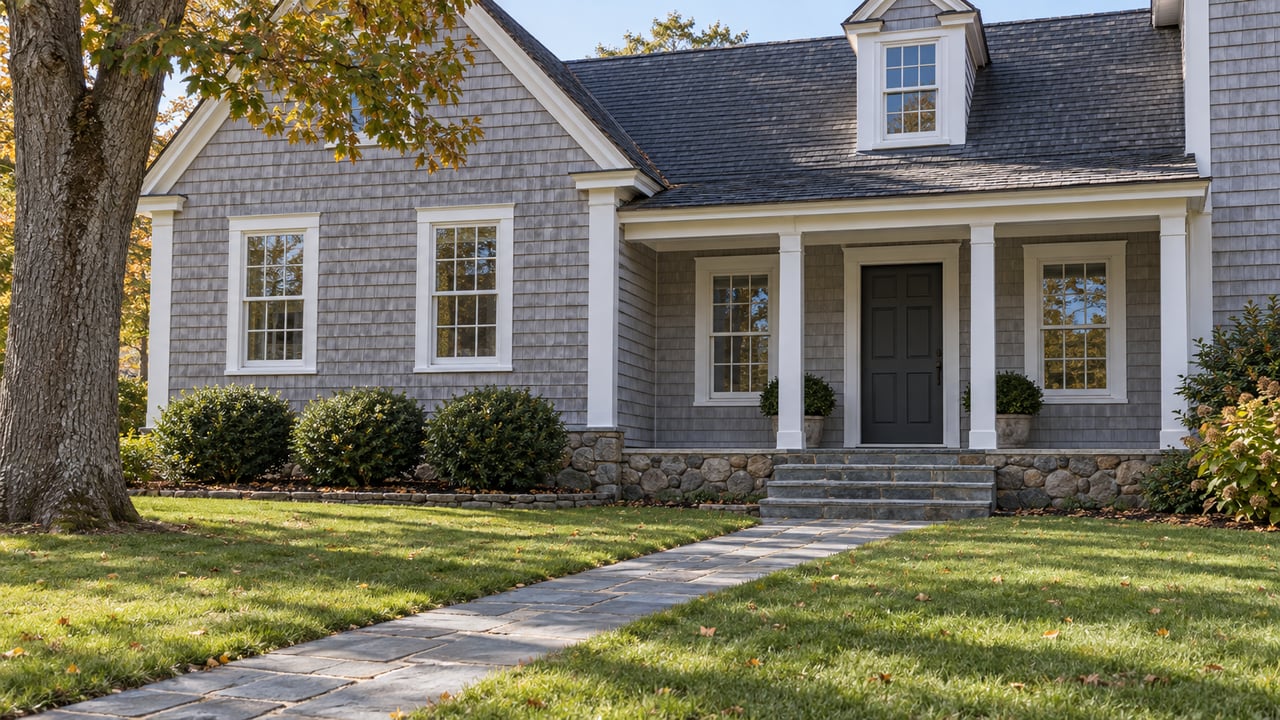
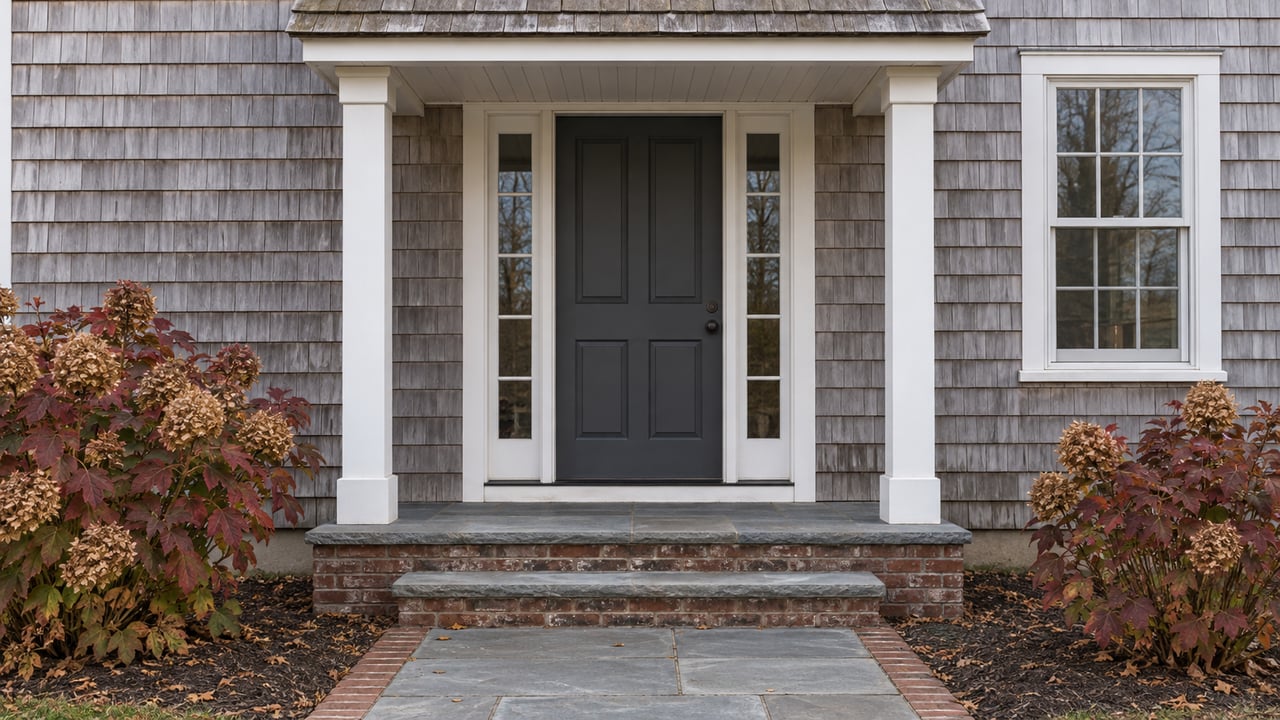
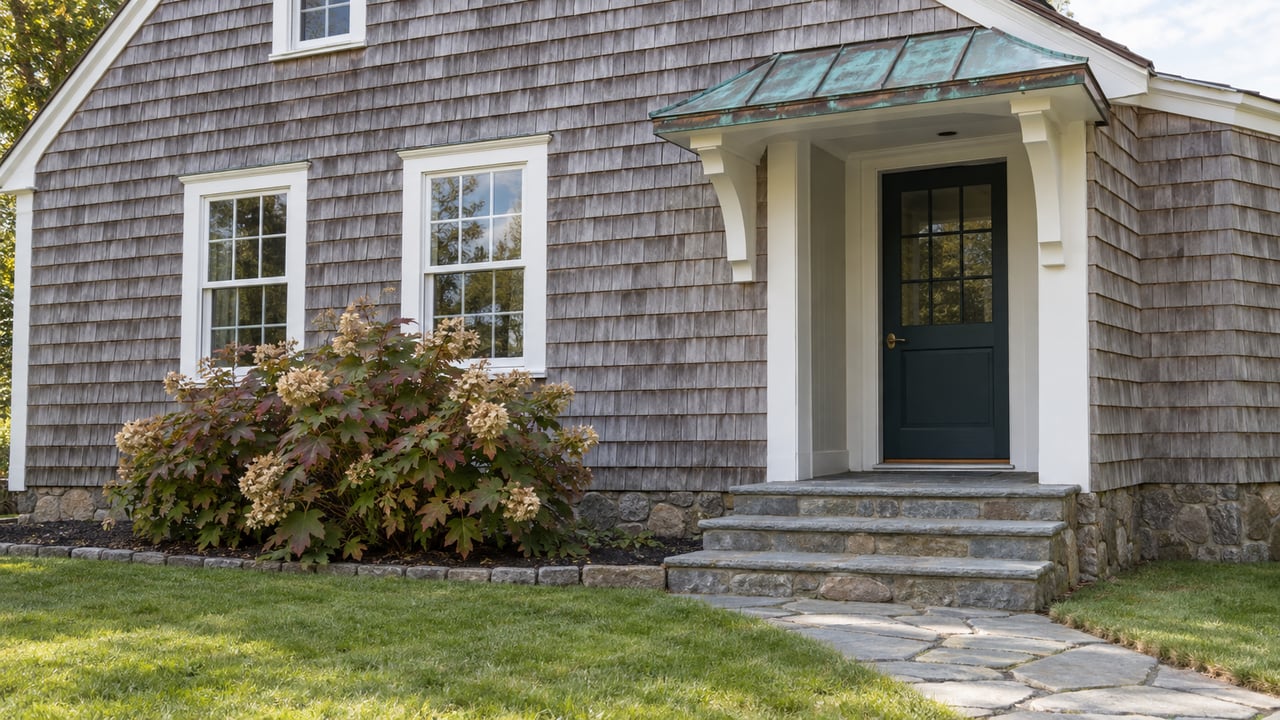
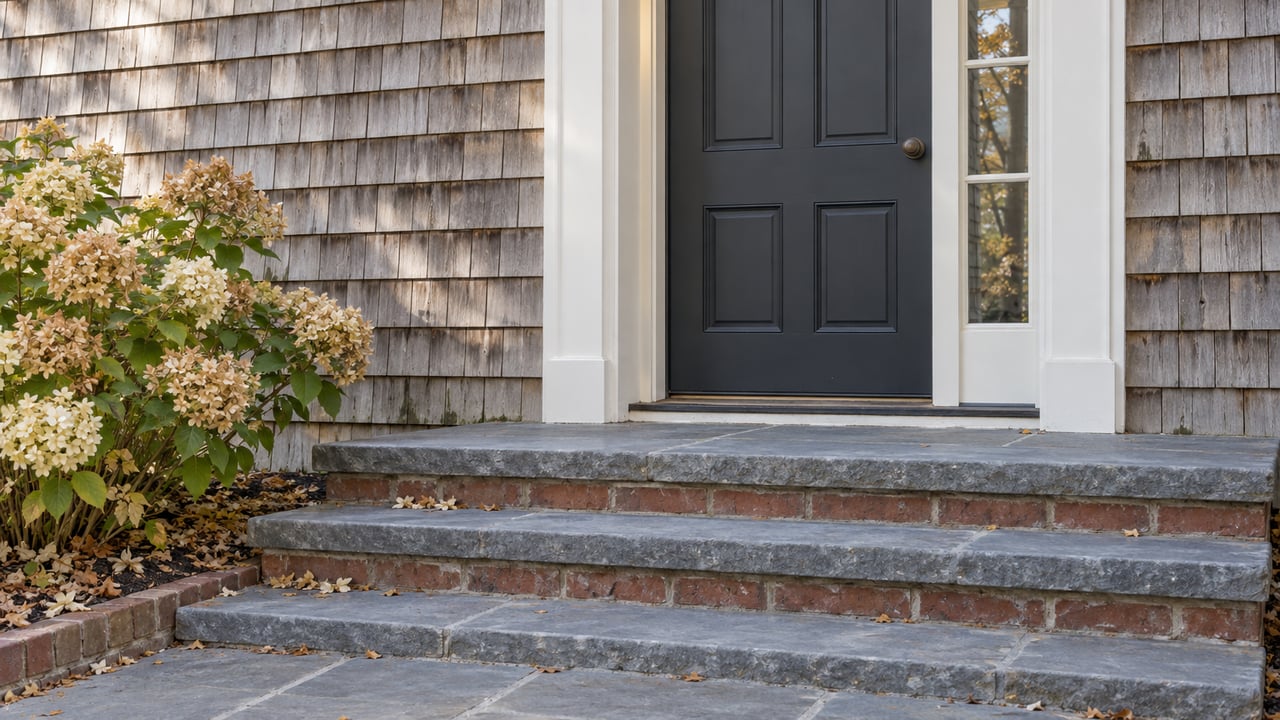
Sag Harbor’s business district is listed on the National Register of Historic Places, which helps protect a cohesive streetscape of 18th to 20th century buildings in Early Republic, Greek Revival, Late Victorian, and Shingle styles. That designation is a big part of why Main Street looks and feels consistent block to block. You see wooden clapboard and cedar shingles, modest rooflines, and porches that frame the street in a human scale. This continuity is a core draw for design‑minded buyers who want authenticity and texture rather than a patchwork of styles. See the NRHP district listing.
Walkable core, year‑round rhythm
The village center reads as a compact, nine‑block experience with independent shops, galleries, and restaurants leading to the harbor. Walkability is strongest near Main Street, then tapers as lots grow larger toward the edges of the village. Unlike some beach towns that quiet down after summer, Sag Harbor keeps a steady cultural pulse, with programming at Bay Street Theater and local galleries through much of the year. Explore current programming at Bay Street Theater.
Seasonal peaks to plan for
July and August bring heavier traffic, more limited parking, and peak demand for services. Beach permits and marina availability tighten, so plan ahead for guest parking, beach access, and boat logistics. Off‑season, the village moves at a calmer pace while maintaining a reliable mix of dining and culture.
Architecture and neighborhoods
Styles you will notice
On or near the core, you will find whaling‑era merchant houses, 19th‑century cottages, and commercial buildings with Greek Revival and Late Victorian details. Many have been sensitively updated to preserve original windows, floors, and beams while adding light, efficient kitchens and baths. Larger parcels and more contemporary estates tend to appear outside the tight village grid.
SANS historic beach districts
Sag Harbor Hills, Azurest, and Ninevah (often called SANS) are nationally recognized historic beach subdivisions. Their cultural significance is an important part of the village’s story and preservation dialogue. Learn about the district via the SANS historic listing overview.
Design rules and review
Before you plan an addition or exterior change, confirm whether a property sits within a designated area and review the Village Code. Chapter 300 covers zoning and setbacks, and waterfront consistency review applies near the shore. Early due diligence helps you align design goals with what is actually approvable. Start with the Village Code on eCode360.
Waterfront, culture, and dining
Theater, cinema, and galleries
Arts anchor everyday life here. Bay Street Theater on Long Wharf offers productions, talks, and events throughout the year. The rebuilt Sag Harbor Cinema and a concentration of galleries near Main Street add to the creative scene. This mix supports a lived‑in village feel that goes beyond summer.
Marinas and boating logistics
Sag Harbor supports a network of marinas and yacht services around the harbor and coves. Private slips and moorings are limited, and different facilities have size and clearance constraints. If a dock or dependable slip matters to you, verify wait lists and rights early in your search. Review area options using the New York marinas directory.
Beaches and permits
Village residents commonly use Havens Beach on Sag Harbor Bay and Foster Memorial Beach, often called Long Beach. Access and parking typically run through village and town permit systems that change by season. For an orientation to parks and beaches across the bay, see the Peconic Estuary overview.
Getting here
You have several reliable options from New York City. The Hampton Jitney runs to Main Street with seasonal schedules that vary by time of year. If you split time between the city and the Hamptons, it is worth checking current service and commuter programs. Confirm routes and timetables at Hampton Jitney.
Market snapshot and comparisons
Recent snapshots place Sag Harbor medians in the low to mid millions, with variation by source, time period, and whether the figure tracks listing or closed prices. Inventory remains tight, and all‑cash offers are common at the higher end. Across the broader Hamptons, regional reporting in 2025 highlighted a median price near or above 2 million and sustained competition in the 1 to 5 million range, which frames expectations for Sag Harbor as you enter the market. For context on regional trends, see this summary of 2025 activity from Social Life Magazine covering Miller Samuel data: Hamptons real estate Q3 2025.
How Sag Harbor compares nearby:
- Sag Harbor Village: compact, bayfront, walkable core with historic cottages and select waterfront estates.
- North Haven: more secluded waterfront parcels and privacy, but fewer walk‑to‑everything options.
- East Hampton, Sagaponack, and Bridgehampton: larger oceanfront estates and different architectural scales, often at higher price points.
Buyer checklist for design‑minded purchasers
Use this quick reference early in your search to avoid surprises.
- Historic status and design review. Confirm if the property sits within the National Register district or a local review area. Understand how that affects exterior work and materials.
- Zoning, setbacks, and waterfront rules. Review Chapter 300 and any waterfront consistency requirements before sketching additions or shoreline improvements. Start with the Village Code.
- Sewer vs septic and infrastructure updates. Check whether the lot is on village sewer and review current engineering or sewershed projects that may affect plans and timing. Visit the Village of Sag Harbor site.
- Mooring or slip documentation. If boating is central, obtain proof of any deeded rights, plus marina policies and wait lists. Some bridge clearances limit vessel size.
- Flood risk and insurance. Pull the FEMA Flood Map for the exact parcel and request any Elevation Certificates. Higher‑risk zones often require build‑to elevations and carry higher costs. Use the FEMA Map Service Center.
- Seasonal logistics. Plan for peak‑season parking, contractor availability, and village permit timelines. Off‑season access can differ from summer assumptions.
- Local professionals and makers. Interview architects, preservation contractors, and cabinetry or millwork shops early. Galleries and theaters are good community touchpoints for referrals.
Is Sag Harbor right for you?
If you want a true village lifestyle with heritage architecture, a walkable downtown, and quick access to the water, Sag Harbor stands apart. The same qualities that create charm also shape what you can build and how you move through the seasons. With clear guidance on permitting, design review, and waterfront logistics, you can land a home that feels authentic and lives beautifully.
If you would like a discreet, design‑sensitive strategy for your search or renovation plan, reach out to Marc Heskell. Schedule a confidential market consultation.
FAQs
Is Sag Harbor walkable for daily errands?
- Yes, in the village core you can walk to shops, galleries, restaurants, and the harbor. Walkability drops as you move to larger lots outside the center.
What should I know about renovating a historic home in Sag Harbor?
- Expect design review, material standards, and setback rules to guide exterior changes. Engage an architect early and verify the property’s status before finalizing plans.
How hard is it to secure a boat slip in Sag Harbor?
- Slips and moorings are limited and some marinas have wait lists. If boating is essential, line up a plan early and verify any deeded rights with your purchase.
Are flood zones a major factor for waterfront homes?
- Many shoreline parcels carry higher flood risk and insurance. Always pull the FEMA Flood Map for the exact address and review recent Elevation Certificates.
How does Sag Harbor pricing compare to other Hamptons areas?
- Sag Harbor often sits below the priciest oceanfront villages and above more rural hamlets. Actual numbers vary by quarter and source, so check current reports before you bid.