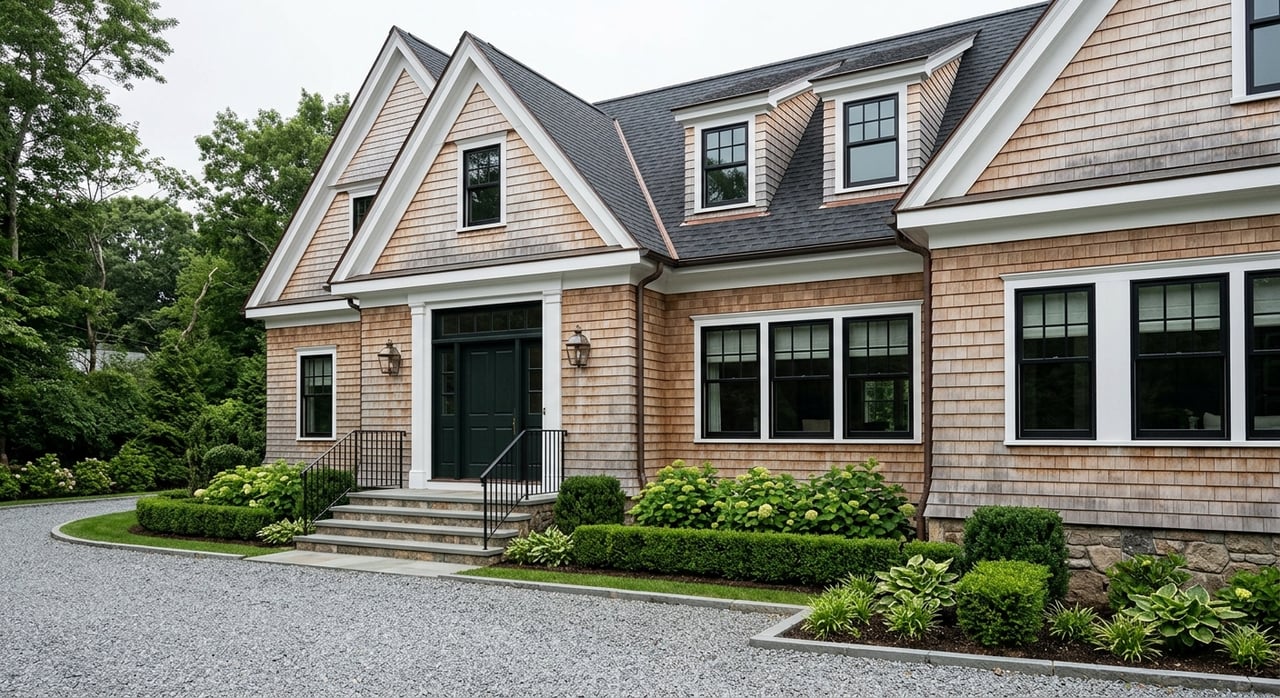
Selling in Water Mill is rarely about doing more work. It is about doing the right work. In a market where buyers often focus on condition, presentation, privacy, and outdoor setting, the smartest pre-sale improvements are usually the ones that remove objections fast and sharpen first impressions. If you want to protect your time, your budget, and your net proceeds, this guide will help you focus on what tends to pay and what often does not. Let’s dive in.
Start With Condition First
Before you think about finishes, start with anything that could slow a deal or weaken your negotiating position. Buyers have become less willing to compromise on condition, and in Southampton, unresolved building, zoning, wetlands, flood, or related code issues can quickly become leverage during due diligence.
That is especially relevant in Water Mill, where homes often trade at prices that justify careful scrutiny. In a higher-value market, even small unresolved issues can feel bigger because buyers expect a property to be well maintained and properly documented.
Review permits and property records
A pre-listing review of permits, approvals, and major property documents can save time later. If your home has had additions, exterior changes, site work, or other improvements, confirm that the paper trail is in order before marketing begins.
This matters even more for properties with decks, fences, pools, spas, sport courts, or waterfront and wetland considerations. Southampton's local review structure can make regulated exterior work more complicated than sellers expect.
Address obvious repair items
If a buyer sees deferred maintenance right away, they may assume there are bigger issues behind the walls. That is why practical repairs often come before design upgrades.
Common high-priority items include:
- roof issues or visible wear
- damaged trim, doors, or hardware
- aging paint or patchy wall finishes
- HVAC or mechanical concerns that affect comfort
- safety or function issues that show up during an inspection
According to current remodeling data, new roofing is one of the most commonly recommended pre-sale projects. It also received a top "joy score," which reflects strong owner satisfaction with the result.
Focus on High-Visibility Updates
Once the home is sound, move to improvements buyers notice immediately. In Water Mill, where presentation standards are often high, fast visual upgrades can have an outsized effect on how your property is perceived online and in person.
These are usually the projects that help your home feel cared for, current, and easy to buy. They are also easier to complete on a tight timeline.
Paint delivers broad appeal
Fresh paint remains one of the most effective seller-prep steps. The 2025 Remodeling Impact Report says painting the entire home, or even just one room, is among the most common recommendations before listing.
For Water Mill sellers, the goal is not to make a bold design statement. It is to create a clean, bright, market-neutral backdrop that supports the home's architecture, light, and setting.
Entry and garage doors matter more than you think
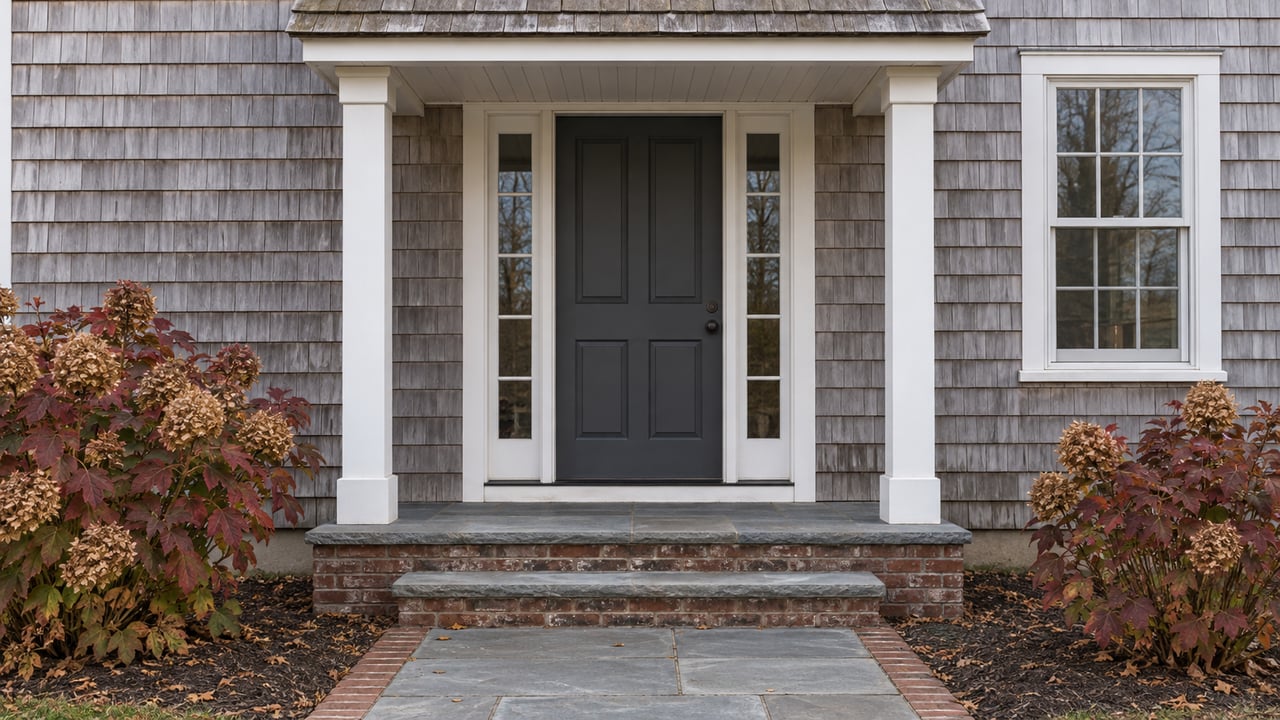
Some of the strongest resale returns come from improvements buyers notice before they even walk inside. Current remodeling figures list garage door replacement at 194% ROI and steel entry door replacement at 188% ROI.
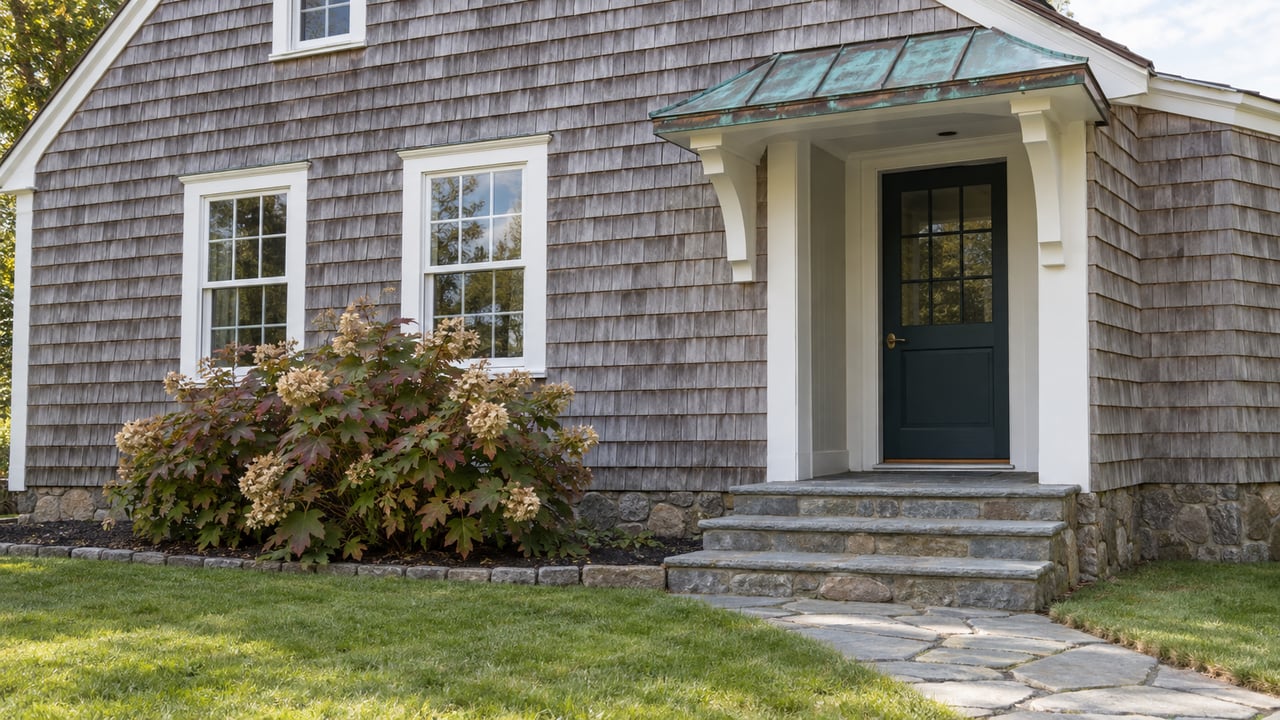
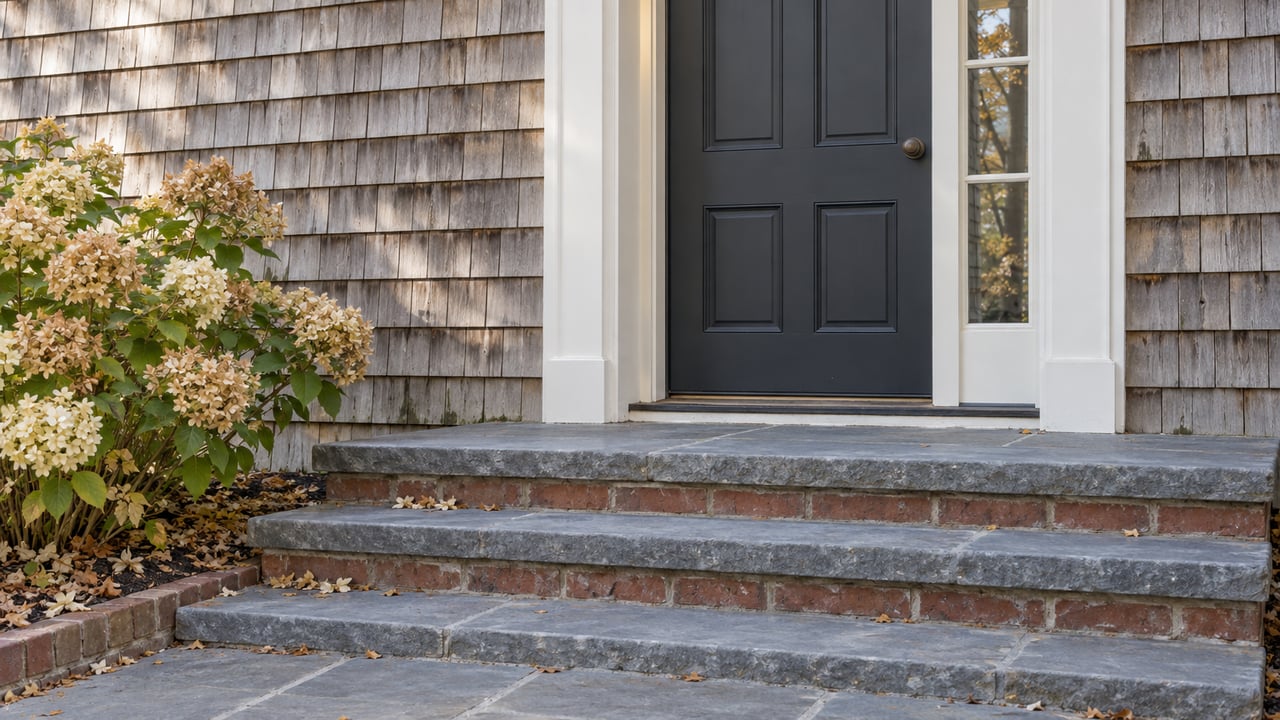
In a market shaped by curb appeal, privacy, and estate-style presentation, these details help set the tone. A strong first impression can make the whole property feel more polished.
Minor kitchen and bath updates can outperform major overhauls
A full renovation is not always the best move before selling. Current remodeling figures put a minor kitchen remodel at 96% ROI, while bathroom remodels come in lower at 74%, and larger renovation scopes often recover less.
That is why selective updates usually make more sense than a complete rebuild. Think refreshed paint, hardware, lighting, fixtures, surface repairs, and targeted finish upgrades that improve the look without forcing you into a long construction schedule.
Invest in Curb Appeal and Outdoor Living
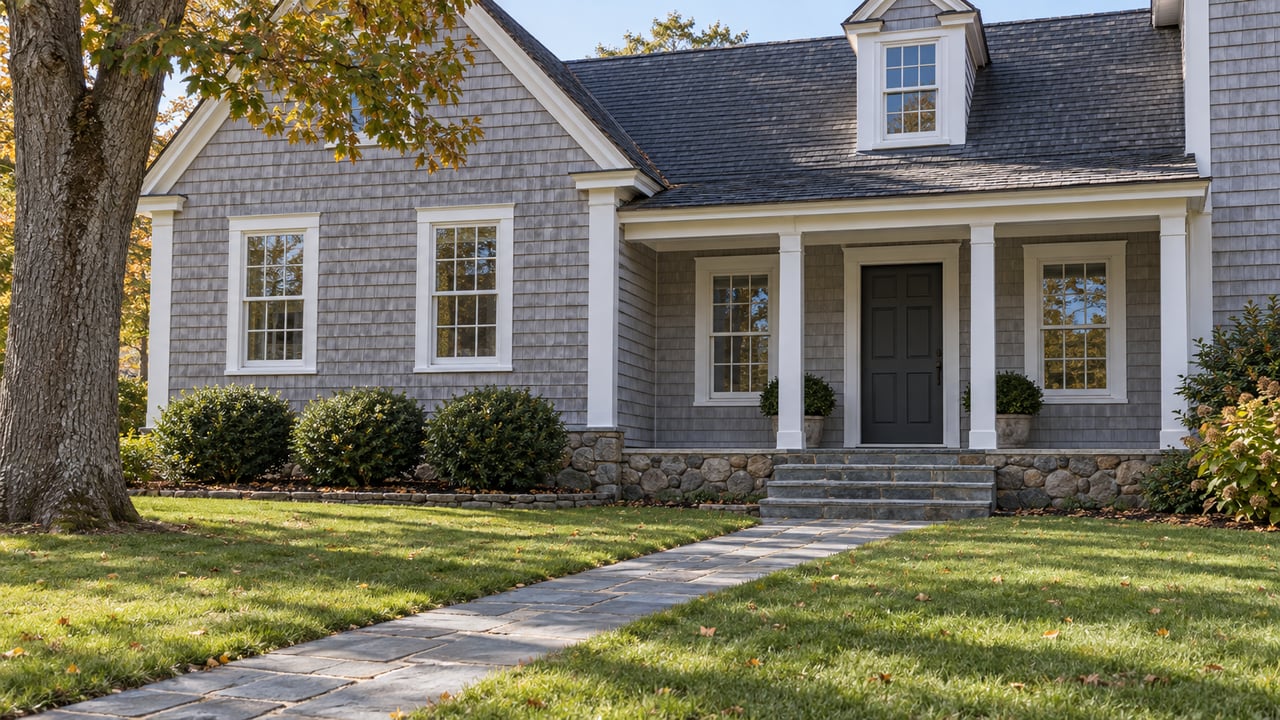
In Water Mill, buyers are often drawn to the land and the outdoor experience as much as the house itself. That makes landscaping and exterior presentation especially important.
Well-kept grounds signal stewardship. They also help photography, private showings, and the overall emotional response buyers have when they arrive.
Landscaping can produce strong returns
Outdoor project data shows standard lawn care can recover 217% of cost, landscape maintenance 104%, overall landscape upgrades 100%, and a new patio 95%. Those numbers support something many Water Mill sellers already suspect: exterior polish matters.
Before listing, focus on simple improvements that photograph well and feel intentional:
- lawn and hedge maintenance
- seasonal cleanup and pruning
- refreshed planting beds or mulch
- repair of gates, fencing, or site lighting
- outdoor furniture styling for patio or entertaining areas
Highlight usable outdoor spaces
If your property has terraces, patios, poolside seating, or dining areas, make those spaces easy to understand. Buyers respond best when the outdoor layout feels usable, maintained, and connected to the home.
That does not always require major construction. Often, it means cleaning, arranging, and editing what is already there so the property reads clearly in photos and showings.
Stage the Rooms That Influence Offers
Staging is often one of the most efficient ways to strengthen a listing without changing the structure of the home. According to NAR's 2025 staging report, 29% of agents saw staging increase offered price by 1% to 10%, and 49% said it reduced time on market.
That can be meaningful in Water Mill, where presentation has to meet the expectations of a more discerning buyer pool. Staging helps buyers read scale, layout, and lifestyle potential faster.
Prioritize the most important rooms
The most important rooms to stage are the living room, primary bedroom, and kitchen. If your budget is limited, start there.
These rooms tend to carry the emotional weight of a showing. When they feel balanced, bright, and move-in ready, the rest of the home benefits.
Pay Attention to Septic and Wastewater
For older Water Mill homes, septic and wastewater may be one of the most important pre-sale topics to review. Southampton notes that nearly every home has a septic tank or cesspool, and Suffolk County's Office of Wastewater Management may need to approve certain modifications.
The Town of Southampton also requires I/A OWTS for certain residential projects in high-priority areas. That means septic is not just a maintenance issue. It can affect compliance, timeline, and buyer confidence.
Evaluate older systems early
If your property has an older system, do not wait for a buyer to raise the issue. A proactive evaluation can help you decide whether a repair, replacement, or documentation package is the wiser move before listing.
There may also be financial support available. Suffolk County's 2026 grant overview lists a $20,000 county grant, up to $25,000 from the state, and additional town funding or rebates for qualifying wastewater improvements.
Avoid Overspending on Big Remodels
Many sellers assume a larger renovation will always produce a better result. In practice, that is often not true, especially when the goal is a timely sale at the best possible net.
Major remodels can add cost, risk, and delay. They also increase the chance that you will choose finishes a future buyer would have done differently.
Full rebuilds usually have weaker recovery
Recent remodeling data puts complete kitchen renovation cost recovery at 60%, minor kitchen upgrade at 60% in that report set, a new primary suite at 54%, and bathroom renovation at 50%. In other words, the bigger the scope, the less certain the payback.
In Water Mill, a major remodel may still make sense if a home is clearly below its competitive set. But for many sellers, a focused cosmetic refresh is the more efficient path.
Avoid highly personal design choices
Market-neutral choices are usually safer than highly customized finishes. Southampton's preservation goals emphasize hamlet character, historic landscapes, and settings, which supports a more restrained approach that respects context and broad appeal.
That does not mean your home should feel bland. It means your pre-sale decisions should help buyers imagine their use of the property, not showcase a narrow personal taste.
Be Careful With Regulated Exterior Projects
Exterior work can look simple on paper but become time-consuming in practice. Southampton's permit process may apply to additions, alterations, decks, fences, pools, spas, tennis or sport courts, and other site work, and the Conservation Board reviews wetlands permits.
If your property is waterfront or near wetlands, timing becomes even more important. A pre-sale project that triggers approvals or environmental review can disrupt your listing schedule.
Choose fast, photographable improvements
This is one reason cosmetic projects tend to outperform site-heavy ones before sale. Painting, landscaping, flooring, cleaning, decluttering, staging, and selected repairs are usually faster to complete and easier to capture in marketing.
For many sellers, that makes them a better use of time and budget than a new exterior build project with a long approval path.
Follow a Smart Pre-Sale Sequence
The order of work matters almost as much as the work itself. In Water Mill, the most efficient sequence is usually to identify risks first, fix must-address items second, improve presentation third, and then go to market.
That approach helps you avoid spending on cosmetic work before you understand whether there are property issues that need attention.
A practical Water Mill checklist
A strong pre-sale sequence often looks like this:
- Review inspections, records, permits, and major disclosures.
- Identify condition, compliance, septic, or wastewater concerns.
- Fix the items most likely to affect negotiations.
- Refresh paint, landscape, and high-visibility finishes.
- Stage key rooms and outdoor areas.
- Launch with polished photography and a clear pricing strategy.
For sellers who want to improve presentation without paying upfront, Concierge can be useful for certain categories of work, including staging, painting, flooring, landscaping, HVAC, roofing repair, kitchen and bathroom improvements, decluttering, and deep cleaning. It is generally best suited to fast, visible upgrades rather than structural or site-heavy projects.
In a market like Water Mill, the highest-return plan is usually precise, not expansive. If you want guidance on which improvements are worth making before you list, Marc Heskell can help you evaluate condition, presentation, permitting considerations, and timing with a confidential, tailored strategy.
FAQs
Which pre-sale improvements usually pay most in Water Mill?
- The strongest candidates are often condition fixes, fresh paint, entry improvements, landscaping, staging, and targeted kitchen or bath updates that improve presentation without triggering a major renovation.
Should you renovate a kitchen before selling a Water Mill home?
- A minor kitchen refresh is often a better pre-sale investment than a full renovation, especially when your goal is better presentation, less disruption, and stronger net proceeds.
Why does septic review matter when selling in Water Mill?
- Many local homes use septic systems or cesspools, and older systems can raise compliance, approval, or buyer-confidence issues if you wait until the home is already under contract.
Are outdoor improvements important for a Water Mill listing?
- Yes. In Water Mill, buyers often pay close attention to the setting, grounds, and outdoor living areas, so lawn care, landscape maintenance, and patio presentation can have a meaningful impact.
What pre-sale projects should you avoid in Water Mill?
- Sellers should be cautious about major remodels, highly personalized finishes, and exterior or site work that may require permits, wetlands review, or a longer approval timeline.