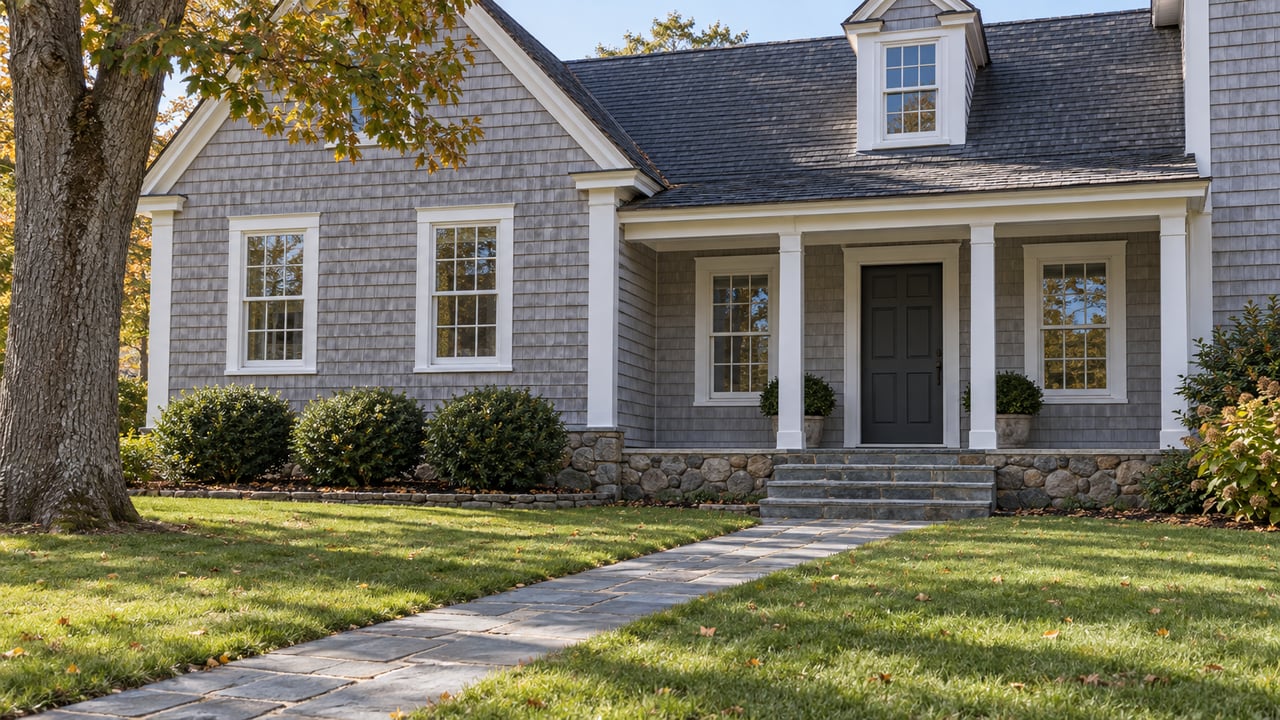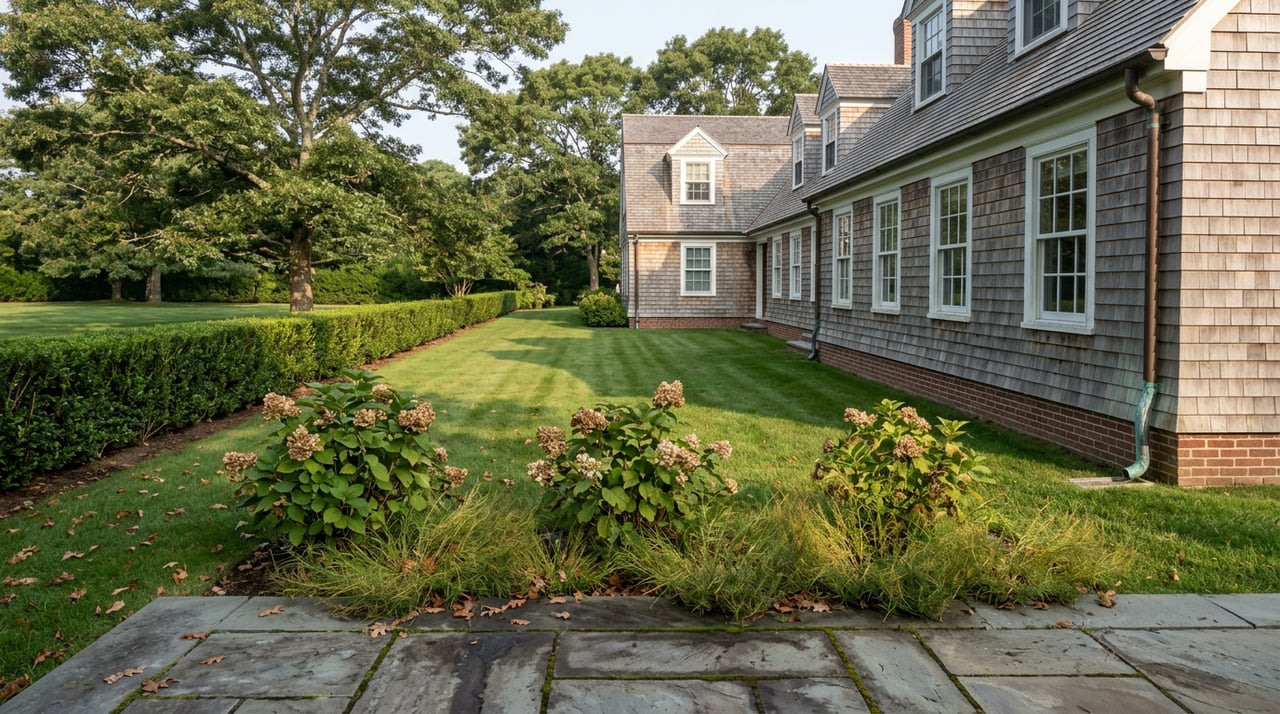
As the East Hampton Star reported, Chip Rae, chairman of East Hampton's Architectural Review Board, described the fight over 66 Main Street this spring this way: "The town board is arguing whether it's grass or whether it's asphalt, which would be a disaster." He wasn't talking about a subdivision or a variance. He was talking about a walking path through a field that residents have been driving past for two years, wondering what it would become.
Here's the thing most people in Wainscott already half-know: the town spent $56 million in December 2024 to buy that field, the largest Community Preservation Fund acquisition in East Hampton's history. What fewer people have tracked is what happened after the closing. Months of public meetings, a divided town board, a straw poll that failed 3-2, and a final vote in April that adopted a plan while leaving almost every practical question about the land's future either vague or unresolved. The story isn't that Wainscott got a new park. The story is that it got a plan, and the plan is a placeholder for a fight that isn't over.
A Record Purchase, Bought Below Market
The parcel at 66 Main Street sits across from the post office, on the stretch of road where farm fields still interrupt the shingled houses. It's a 30-acre property that includes roughly 28 acres of what's now open meadow, plus the historic structures near the road. The town board authorized the purchase in November 2024 and closed on December 11 of that year, buying the land from Ronald Lauder for a price town officials described as considerably below market value for pond-adjacent acreage on the South Fork.
The purchase came with a specific problem attached. The property includes about a third of the shoreline of Wainscott Pond, and the pond itself is in trouble. New York's Department of Environmental Conservation has listed it as an impaired water body on the state's Priority Waterbodies List, and it has a documented history of harmful algal blooms serious enough to threaten both aquatic life and anyone who might want to swim or fish there. That single fact, more than the acreage or the price tag, is what has shaped nearly every argument since.
Two Buildings Got Protected. The Ground Under Them Didn't.
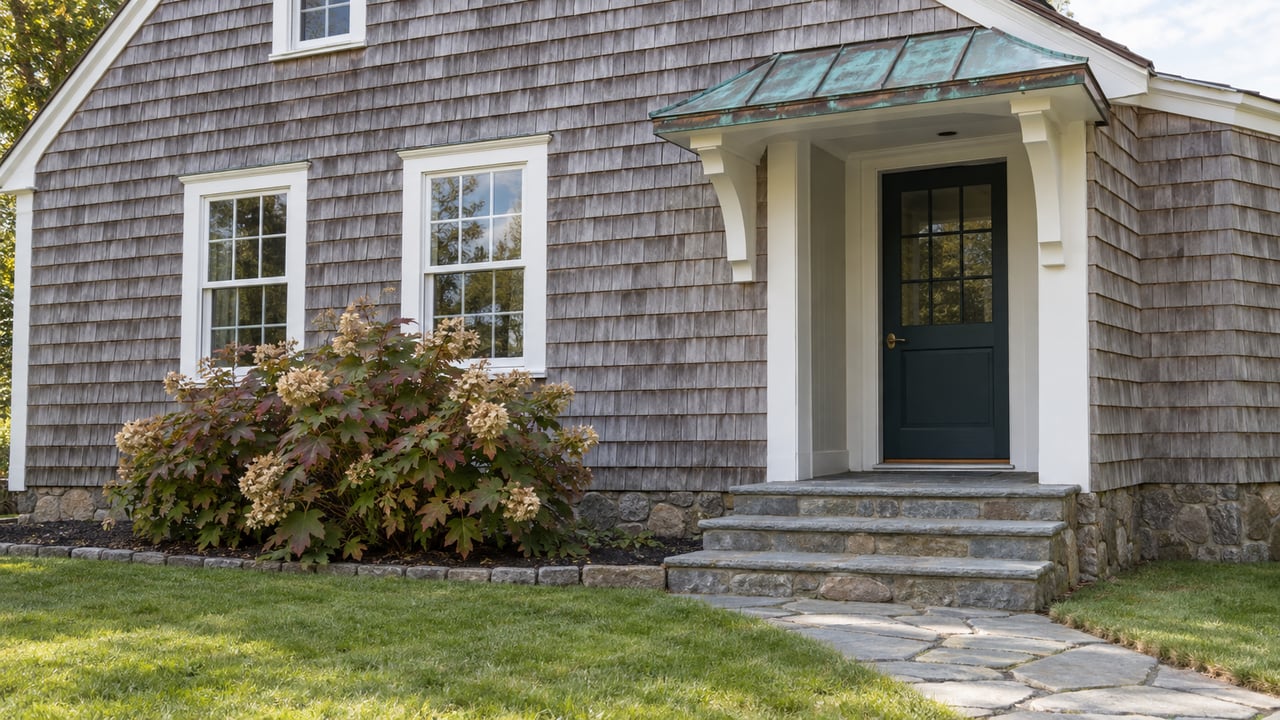
In March 2025, the town board voted unanimously to designate two structures on the property as historic landmarks: the 1904 Louisa Edwards Osborn House and a barn dating to the 17th century. A third building, a small accessory structure sometimes called the playhouse, wasn't included. Neither was the land itself.
That distinction matters more than it sounds like it should. The Wainscott Heritage Project, led by its president Esperanza Leon and co-secretary Carolyn Logan Gluck, has argued since before the closing that a homestead isn't just its buildings. In March 2026, the East Hampton Star reported Leon's statement to the board that landmarking only the structures "is to preserve a shell while losing the story." The group wants the entire 30 acres designated historic, arguing that the spatial relationship between the house, the barn, and the open field around them is the actual thing worth protecting, not just the walls.
Hilary Osborn Malecki, a tenth-generation descendant of the family that farmed this land since the 1600s, has appeared before the board more than once to walk officials through that history in person. Her presentations have become a fixture of the process, a reminder that the debate over trail surfaces and fencing is happening on ground that one family worked for over three centuries before it became public.
What the Board Actually Argued About This Spring
The draft management plan went through work sessions starting in January 2026 and a public hearing on March 19. At that hearing, the pattern was consistent. Residents wanted a mowed grass path, not pavement. They wanted any farming, if it happened at all, to be severely limited. And they wanted the whole parcel landmarked, not just the two buildings.
Hersey Egginton, chair of the Wainscott Citizens Advisory Committee, made the water quality argument directly, telling the board that active farming would almost certainly harm both the pond and what he called the open character of the view from Main Street. Jaine Mehring backed that up with a report from Christopher Gobler, a water quality researcher at Stony Brook University's School of Marine and Atmospheric Sciences, on just how fragile the pond's condition already is.
The board didn't fully agree. On April 7, Supervisor Kathee Burke-Gonzalez proposed three specific amendments to the draft plan: restrict any future agriculture to low-impact methods only, prohibit asphalt on the proposed trail, and extend the historic landmark designation to the entire parcel. All three amendments failed on a straw poll, with Councilwoman Cate Rogers voting alongside the supervisor and Councilmen Ian Calder-Piedmonte, David Lys, and Tom Flight voting against.
The disagreement wasn't purely procedural. Flight, defending the possibility of future farming, pointed out that the reason the field still has an open, unbroken view today is precisely because it was farmed for decades. Left alone, he argued, it would have grown in with scrub trees. Calder-Piedmonte, who farms himself and served as the board's liaison on the plan, took a similar position: some active use of the land is what keeps it looking the way people want it to look. Rogers, for her part, floated a middle path, suggesting types of agriculture like mushroom cultivation or beekeeping that wouldn't require nitrogen inputs or deer fencing, both of which would be harder on the pond.
The Vote Happened. The Specifics Didn't.
The board delayed a final vote once, at the supervisor's request, to give Rogers time to deliver a liaison report from the Wainscott Citizens Advisory Committee. When the board did finally act, on April 22, 2026, it adopted the management plan as written, in another 3-2 vote.
What "as written" means in practice: agriculture remains one of four permitted future uses for the land, alongside open space, historic preservation, and water quality improvement. The trail is described only as a multi-use path that may accommodate a loop between half a mile and eighty-five hundredths of a mile, with the surface material left deliberately unspecified. And the historic designation still applies only to the two structures, not the ground beneath them.
Councilman Lys made one point during the debate worth remembering if you're trying to figure out what actually changes on the ground this year. Adopting the management plan, he noted, doesn't commit the town to building anything. Any real expenditure on the trail, or on water quality remediation, or on whatever eventually happens with the pond, will require its own separate vote and its own separate debate. The April vote settled the framework. It didn't settle the field.
What You Can Actually Do With the Land Right Now
In the meantime, the meadow isn't closed off. The East Hampton Trails Preservation Society has organized guided walks of the property, with Leon from the Wainscott Heritage Project and Malecki providing historical context on site. It's one of the more direct ways to see the land as it exists today, before any trail gets built, any fencing goes up, or any farming resumes.
The Wainscott Citizens Advisory Committee meets regularly and is chaired by Egginton, and its discussions of 66 Main Street have continued well past the April vote. If you want to know what happens next, that committee and the town board's own agenda postings are the place to watch, not a press release. The town's management plan documents for the parcel, along with dozens of others across Wainscott, are posted publicly on the town's website.
The field across from the post office looks settled from the road. Up close, it's still very much in progress, and the people deciding what it becomes are your neighbors, arguing in a room you're welcome to sit in.
If you're weighing what any of this means for property values or long-term plans near Wainscott Pond, Heskell Advisors tracks these local land use questions closely. Schedule a confidential market consultation to talk through what's actually changing in this corner of the East End.