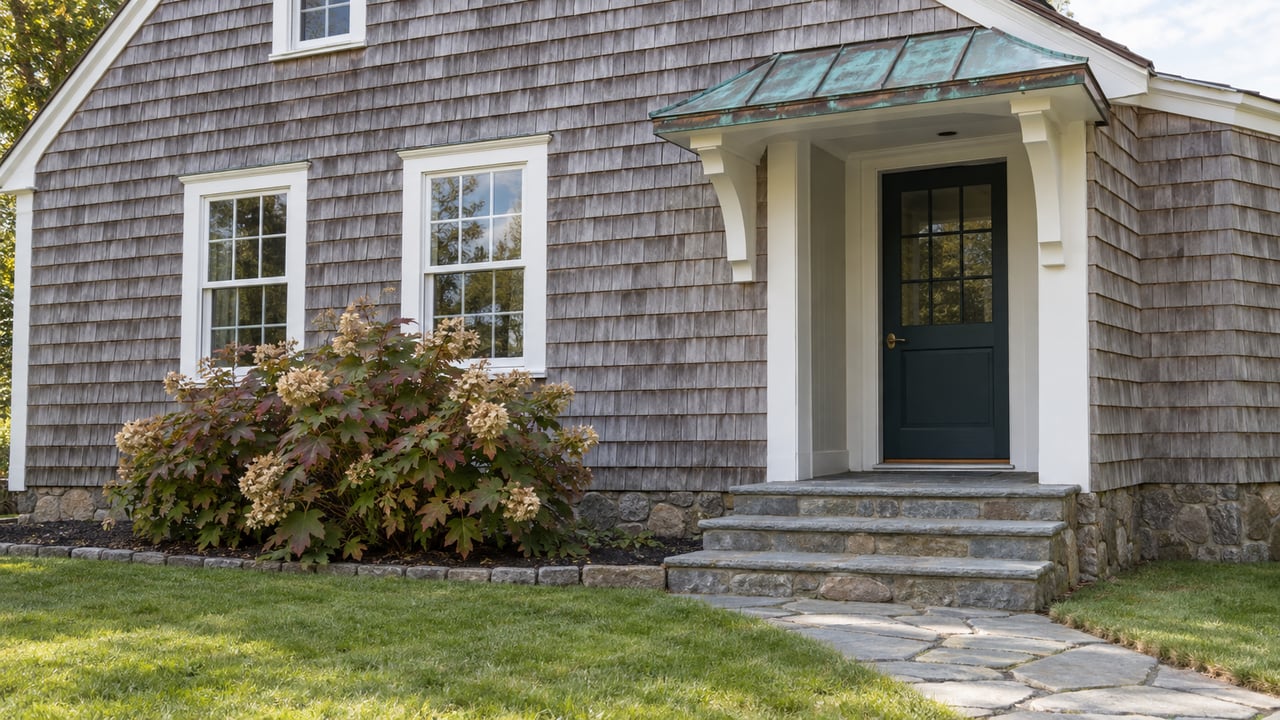
Selling a Sagaponack estate often is not about making more noise. It is about making fewer mistakes. In a village defined by limited commercial activity, open space, and closely watched land-use standards, a rushed public launch can expose issues that should have been solved quietly in advance. If you want to protect privacy, reduce friction, and present your property at its strongest, careful preparation matters. Let’s dive in.
Why Sagaponack rewards discretion
Sagaponack is a small incorporated village in Southampton Town, covering 4.56 square miles with about 350 year-round residents and more than 1,000 part-time residents. Official village materials describe it as predominantly single-family residential, with agriculture as the main non-residential use and very few commercial or public facilities.
That context matters when you plan a sale. In a place shaped by open land, preserved views, and a low-profile residential pattern, a quiet strategy often fits the market better than a broad public rollout. That does not mean secrecy for its own sake. It means controlling the process so your estate is presented with intention.
Start with legal authority
If your property is held in an estate or trust, confirm who has authority to sign before marketing begins. In New York, fiduciary roles such as executor, administrator, or voluntary administrator are court-appointed, and that authority should be clear early.
For inherited property, you may also need to address estate-related transfer requirements before closing. New York State notes that a release of estate tax lien may be required before real property is transferred from a decedent’s estate. If you wait until a buyer is ready to sign, that paperwork can slow a deal that otherwise would have moved smoothly.
A strong pre-listing file should usually include:
- Deed and title information
- Survey work
- Permit records and final sign-offs
- Certificate of occupancy documentation where applicable
- Tax records
- Trust, probate, or estate documents
- Known title exceptions
In Sagaponack, this kind of file is not just administrative housekeeping. It is part of risk management.
Check land-use issues before improvements
Many sellers assume they should renovate first and ask questions later. In Sagaponack, that can be the wrong sequence.
The village zoning code is designed to preserve character, beauty, open space, and harmonious design. The Architectural and Historic Review Board may review exterior work involving massing, materials, lighting, landscaping, fences, parking areas, and historic compatibility. In other words, visible pre-sale changes can carry review implications beyond simple aesthetics.
The base zoning districts include R-40, R-80, R-120, and OSC. Minimum lot area ranges from 40,000 to 120,000 square feet, and maximum height is generally 32 feet. The dimensional rules also note that wetlands and coastal erosion provisions can override conflicting standards.
That is why pre-sale planning should begin with constraints, not wish lists. Before investing in exterior upgrades, additions, grading, or clearing, it is wise to confirm whether your work could trigger a village review process.
Site plan review can affect timing
Site plan review may be required in several situations that matter to estate owners. These can include lots of five acres or more, grading or clearing over 2,000 square feet, changes in fill that alter grade, and new construction or additions on waterfront lots or within 400 feet landward of the coastal erosion hazard area limit line.
For waterfront properties, applications must include native revegetation and restoration plans. New or replacement structures must also be set back at least 125 feet from ocean dune crests. If your property is oceanfront or near regulated coastal areas, even a well-meant pre-sale improvement can become a larger process than expected.
Wetlands issues deserve early review
For waterfront, wetland, or environmentally sensitive parcels, the village’s wetlands requirements are detailed. Materials may include a deed or title report, disclosure affidavit, easement and covenant information, prior town wetlands permits, DEC permit or nonjurisdiction documents, soil, drainage and groundwater data, flood-zone designation, and setback information.
Some wetlands applications can also involve a public hearing process with published notice, posted notice on the property, and mailed notice to neighboring owners. That is one reason many legacy owners and trustees benefit from a long preparation runway before going to market.
Focus on high-impact, low-disruption work
In Sagaponack, the best pre-sale upgrades are often the least dramatic ones. Village standards emphasize landscaping and screening, preservation of open-space views, controlled lighting, proper drainage and utilities, and limits on sound spillover.
That framework points toward a simple truth: refinement usually beats expansion. The highest-return work often comes from correcting deferred maintenance, sharpening exterior presentation, editing the landscape, and organizing records, rather than taking on large visible projects.
A practical pre-sale improvement list may include:
- Repairing exterior wear and weathering
- Refining entry sequence and façade presentation
- Correcting outdoor lighting that feels harsh or excessive
- Cleaning up drainage concerns or visible utility issues
- Tightening landscape edges and screening
- Removing visual clutter from service areas or parking zones
- Verifying permit history and final approvals
For architecturally significant homes, restraint is especially important. Buyers at this level often respond best to a property that feels settled, coherent, and properly documented.
Respect Sagaponack’s design context
Presentation in Sagaponack is not only about luxury finishes. It is also about fit.
The village’s review standards signal what matters locally: compatible architecture, thoughtful landscaping, controlled site elements, and respect for the surrounding setting. A sale preparation plan should therefore work with the property’s existing architecture and land, not against them.
For many estates, that means leaning into clarity rather than reinvention. A polished cedar façade, corrected lighting, healthy screening, orderly drives and paths, and a clean survey and permit file can do more for buyer confidence than a hurried construction project.
Larger acreage needs special care
If your estate includes open land or agricultural features, verify whether any proposed change in use could trigger review. The village’s agricultural overlay and site-plan standards prioritize farmland preservation, minimal disturbance of prime soils, and protection of public vistas.
The code also contemplates uses such as agriculture, farm stands, horse facilities, and vineyards. On acreage properties, sale prep should be coordinated with a clear understanding of what is existing, what is permitted, and what changes may require review by the village.
Build a buyer-ready diligence package
A quiet, high-impact sale depends on confidence. Serious buyers for Sagaponack estates often want answers early, especially when the property includes waterfront conditions, large acreage, or historic documentation.
A thorough diligence package can help support controlled showings and more productive conversations. It also reduces the chance that a buyer discovers an issue late and uses it to retrade or delay.
Your package may include:
- Current survey
- Tax records
- Certificate of occupancy and permit history
- Wetlands and environmental records, if relevant
- Easements and covenants
- Flood-zone information, if relevant
- Trust or estate authority documents, if relevant
- Notes on title exceptions or unresolved items
In a village where the code book is updated quarterly, it is also smart to verify your checklist against the current code rather than relying on an old summary.
Consider a quiet launch strategy
A discreet launch is not required by law, but in Sagaponack it can be a smart strategy. The village’s small scale, residential character, and design-review culture all support an approach built around privacy and control.
That often means selective broker outreach, tightly managed showings, and polished materials prepared for a targeted audience rather than immediate broad exposure. For some owners, this protects privacy. For others, it simply creates a cleaner path to market by allowing time to solve issues before the property becomes widely discussed.
Be careful with signage
The site-plan rules exclude residential real estate signs and small residential nameplates from review, but that does not mean every visible sign choice is automatically appropriate. If you plan any road-facing signage, confirm what is permitted before installation.
In a village like Sagaponack, understated presentation tends to align better with the setting anyway. The goal is to guide qualified interest, not create unnecessary attention.
If you rent before selling
Some owners consider a seasonal rental as a bridge to sale. If that is part of your plan, local rules matter.
Sagaponack requires a seasonal rental permit for rentals between May 15 and September 15. During that period, a rental cannot be shorter than 30 days, except for two two-week rentals per calendar year.
If you are weighing a rental strategy before listing, it is important to account for permit timing and compliance early. That can help you avoid conflict between rental plans and sale preparation.
The real goal is fewer surprises
The most effective Sagaponack sale plans usually look calm from the outside because the hard work happened first. Authority is confirmed. Files are organized. Land-use questions are checked. Presentation is refined with restraint. Marketing is timed to the property’s strengths.
That is how you create a quiet, high-impact sale. Not by overexposing the estate, but by removing avoidable friction before the right buyer ever steps through the door.
If you are preparing a Sagaponack estate for sale and want a measured, technically informed plan, Marc Heskell offers confidential advisory support grounded in Hamptons market knowledge, design sensibility, and land-use fluency.
FAQs
What makes a Sagaponack estate sale different from a typical listing?
- Sagaponack is a small, primarily residential village with strong emphasis on open space, design compatibility, and land-use controls, so legal, zoning, wetlands, and presentation issues often deserve more pre-listing attention.
What documents should you gather before listing a Sagaponack estate?
- A strong pre-listing file may include deed and title information, survey work, permit records, final sign-offs, tax records, certificate of occupancy documentation, and any trust or estate authority documents.
Why should waterfront Sagaponack properties be reviewed early?
- Waterfront and environmentally sensitive parcels may involve wetlands, coastal erosion, setback, drainage, flood-zone, and permit issues that can affect both property improvements and sale timing.
Can pre-sale renovations trigger review in Sagaponack?
- Yes. Exterior work involving grading, clearing, additions, lighting, landscaping, or design changes may trigger review depending on the scope and location of the work.
Are seasonal rentals allowed before selling a Sagaponack property?
- Yes, but Sagaponack requires a seasonal rental permit for rentals between May 15 and September 15, and rentals during that period cannot be shorter than 30 days except for two two-week rentals per calendar year.
Why use a quiet launch strategy for a Sagaponack estate?
- A discreet launch can help protect privacy, control the showing process, and give you time to present a well-documented property to qualified buyers in a measured way.